General Conferences of the Latin American and Caribbean Episcopate
I General Conference of the Latin American Episcopate
Río de Janeiro – Brasil
From July 25 to August 4, 1955
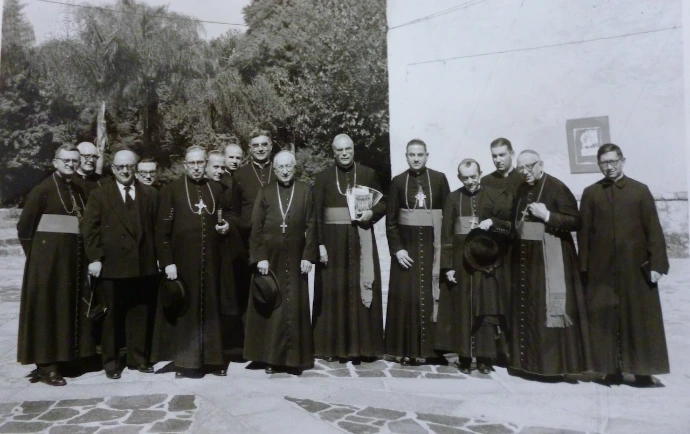
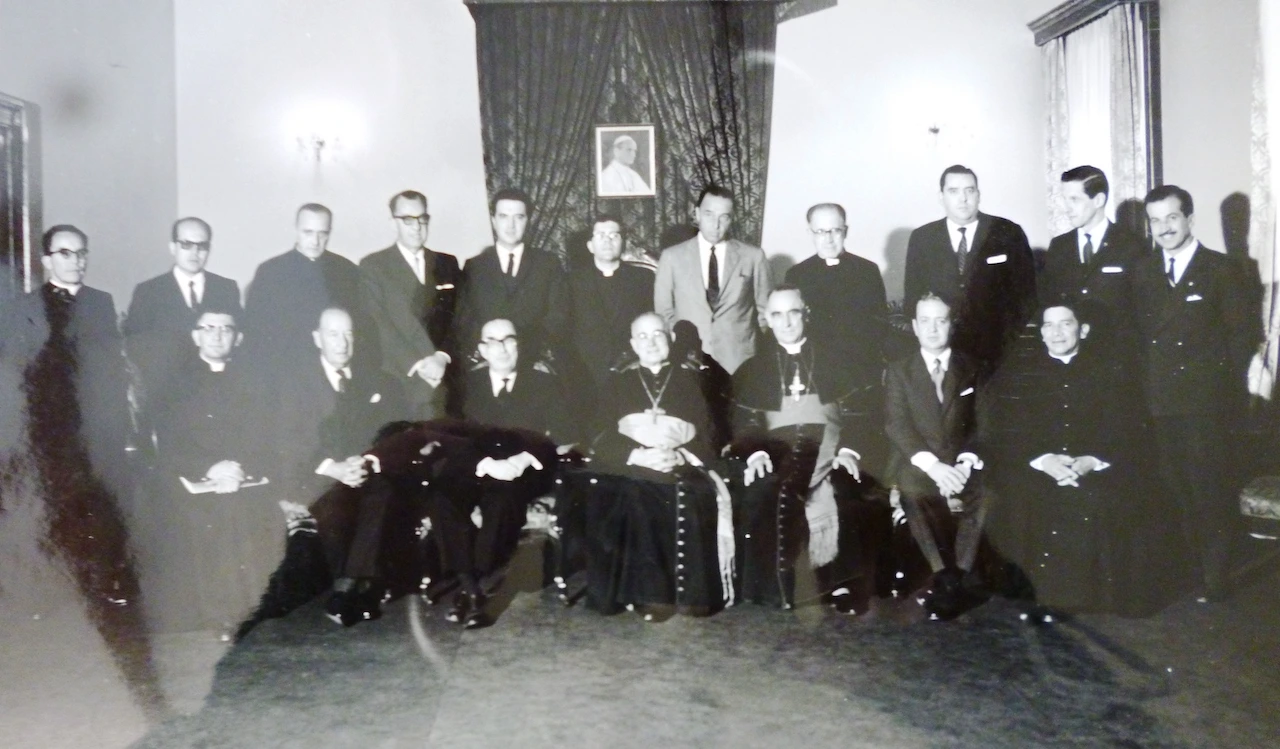
This first conference was convened by Pope Pius XII and placed the emphasis on evangelizers.
As early as this first conference, the bishops described the social landscape of our Latin American people. Even then, they warned that despite the abundance of resources Providence had bestowed upon the region, not everyone shared in such a rich treasure, and many inhabitants lived in distressing conditions. From this perspective, they addressed social issues, missions, and the situations of Indigenous peoples, people of color, immigrants, and seafarers. Drawing on the Church's Social Doctrine, they called for a threefold task of enlightenment, education, and action.
To spread the faith and ensure it comprehensively shapes the thinking, customs, and institutions of our continent, the Conference deems a numerous, virtuous, and apostolic clergy essential. The shortage of priests is identified as a major problem, and a call is issued for the promotion of priestly vocations to be treated in every diocese as a fundamental and urgent priority. Issues concerning the local clergy, as well as men and women religious, are addressed with equal concern.
Alongside the campaign for vocations, the Rio de Janeiro Conference calls for more intensive and profound efforts in religious instruction and education so as not to lose the Continent's rich heritage of faith. In this context, it addresses the organization of pastoral care, special means of outreach, Protestantism, anti-Catholic movements, and the defense of the faith. To defend and strengthen the faith, recommendations were made regarding Bible reading and the promotion of popular editions, the observance of a National Bible Day, and the organization of biblical courses.
At this Conference, the creation of the Latin American Episcopal Council (CELAM) was also decided upon, with the aim of studying issues of concern to the Church in Latin America, coordinating activities, and preparing future Latin American Episcopal Conferences. The establishment of this body has been regarded as one of the key contributions—if not the principal one—of the Rio de Janeiro Conference.
II General Conference of the Latin American Episcopate
“The Church in the Current Transformation of Latin America in Light of the Council”
Medellín – Colombia
August 26 to September 7, 1968
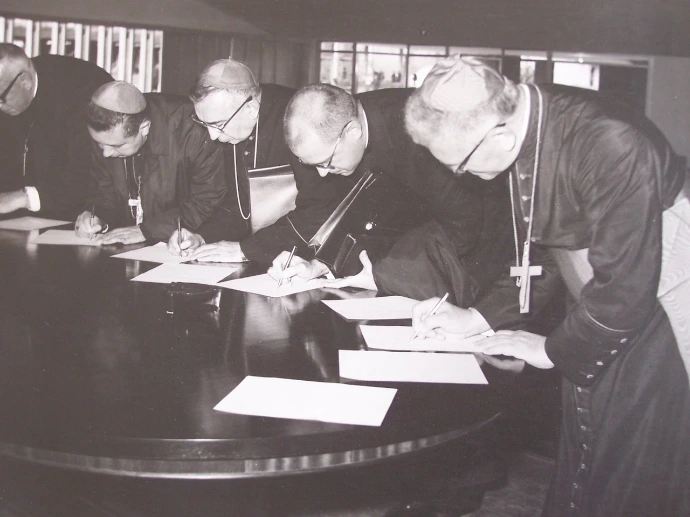
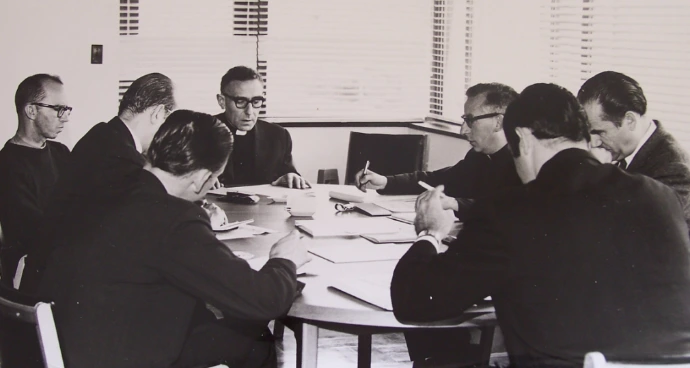
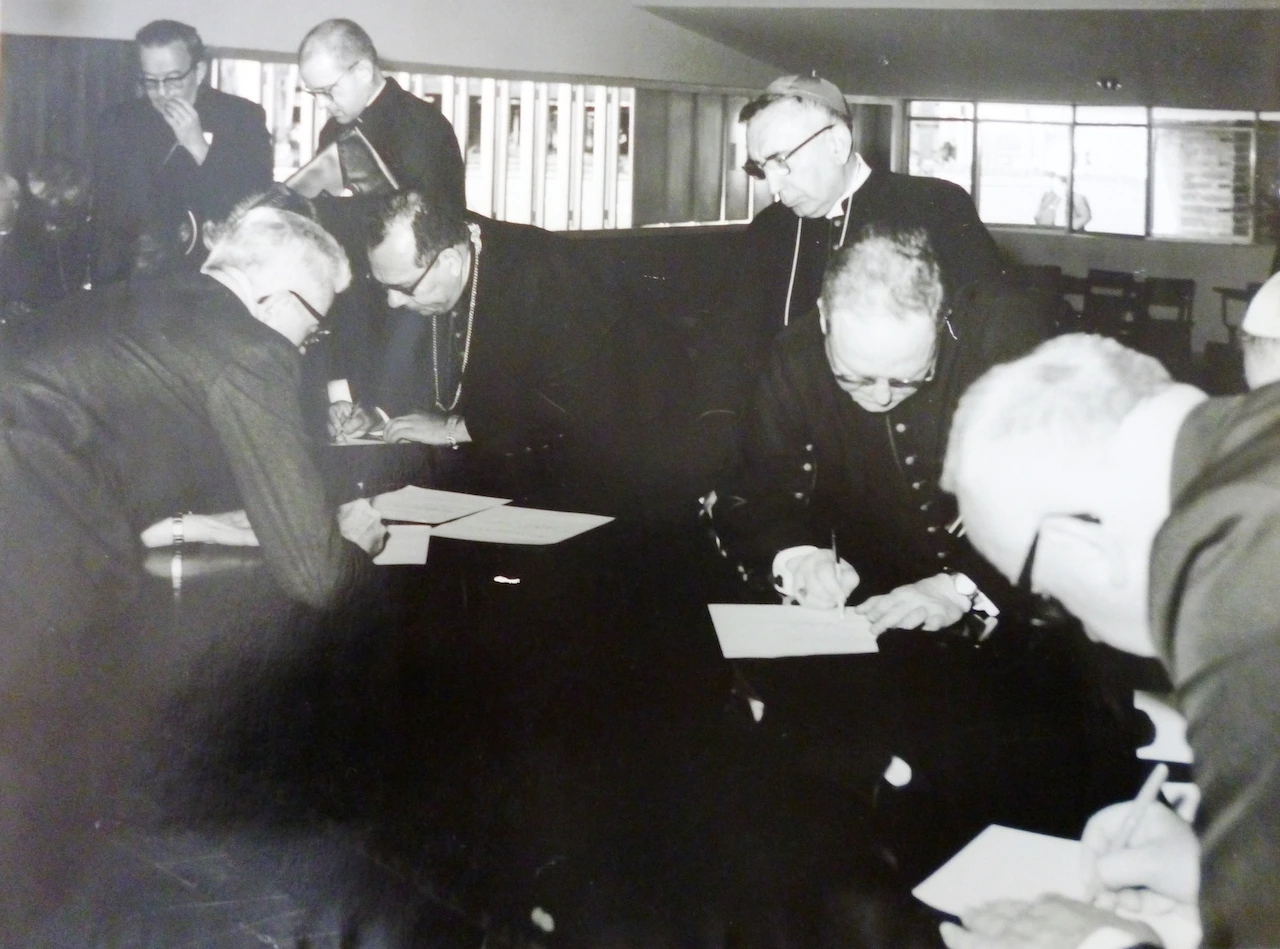
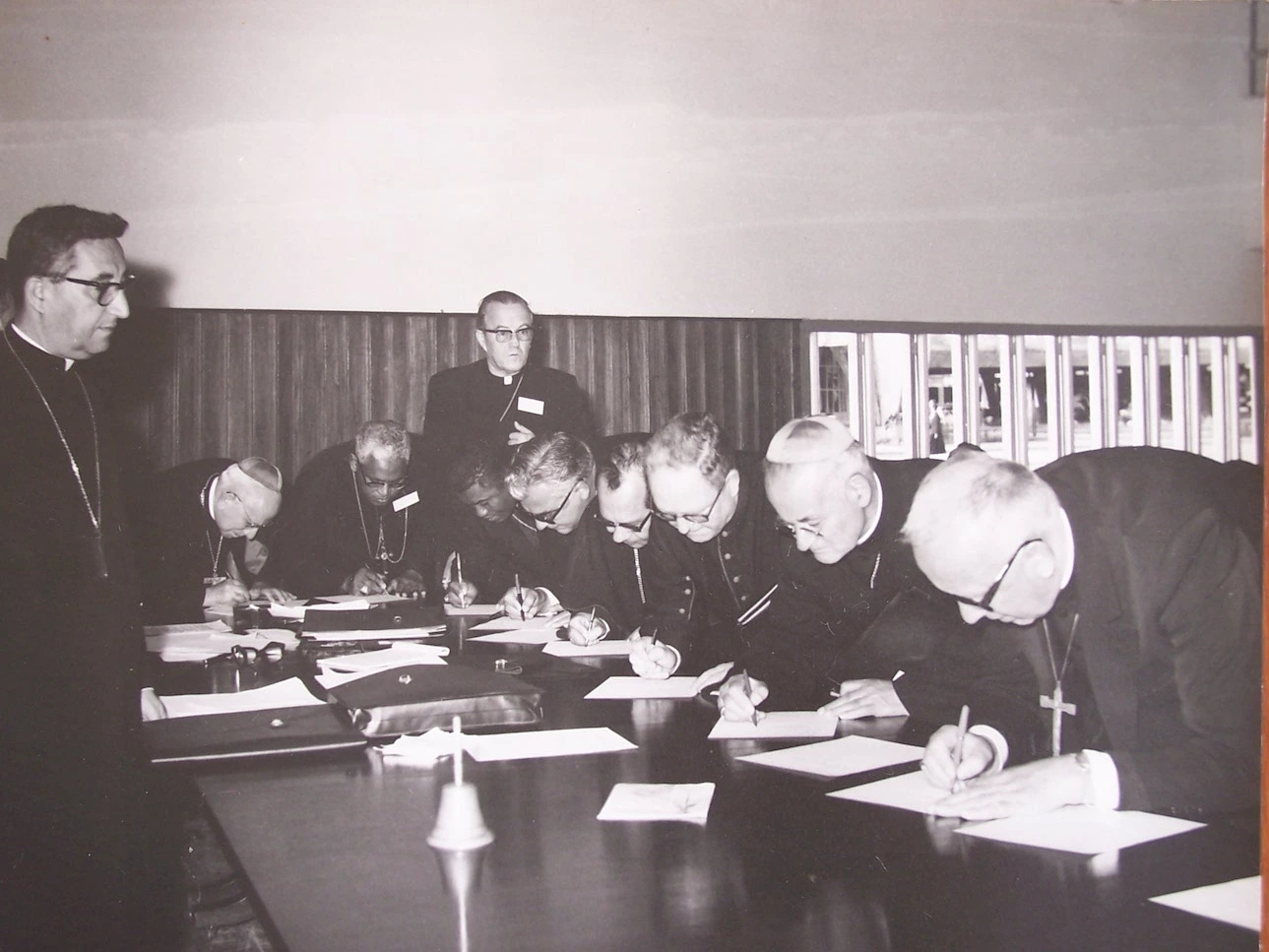
At the end of the Second Vatican Council, Monsignor Manuel Larraín, president at that time of CELAM, requested the Pope Paul IV to convene a second General Conference of the Latin American Episcopate for the implementation of the Council in Latin America. In 1966, CELAM officially proposed it to the Pope, who convened it in the City of Medellín (Colombia), with the theme: “The Church in the current transformation of Latin America in light of the Council.” 145 Bishops, 70 priests and religious, 6 nuns, 19 laypeople, and 9 non-Catholic observers participated, for a total of 249 participants.
This Second General Conference focused its attention on the human person and on Latin American and Caribbean society. This reflection was directed towards the search for a new and more intense presence of the Church in the current transformation of Latin America in light of the Second Vatican Council.
In Medellín, something new was beginning on the scale of evangelization on the continent. This marks the start of a process of ecclesial renewal and a new stage in evangelization, in response to the signs of the times discovered by this Conference.
The Conference produced 16 documents grouped into three core areas:
- Human promotion: justice, peace, family and demographics, education and youth.
- Evangelization and growth in faith: popular pastoral, elite pastoral, catechesis and liturgy.
- Structures of the Church: lay movements, priests, religious, clergy formation, poverty of the Church, overall pastoral and social communication media.
III General Conference of the Latin American Episcopate
“Evangelization in the Present and Future of Latin America”
Puebla – Mexico
January 27 to February 13, 1979
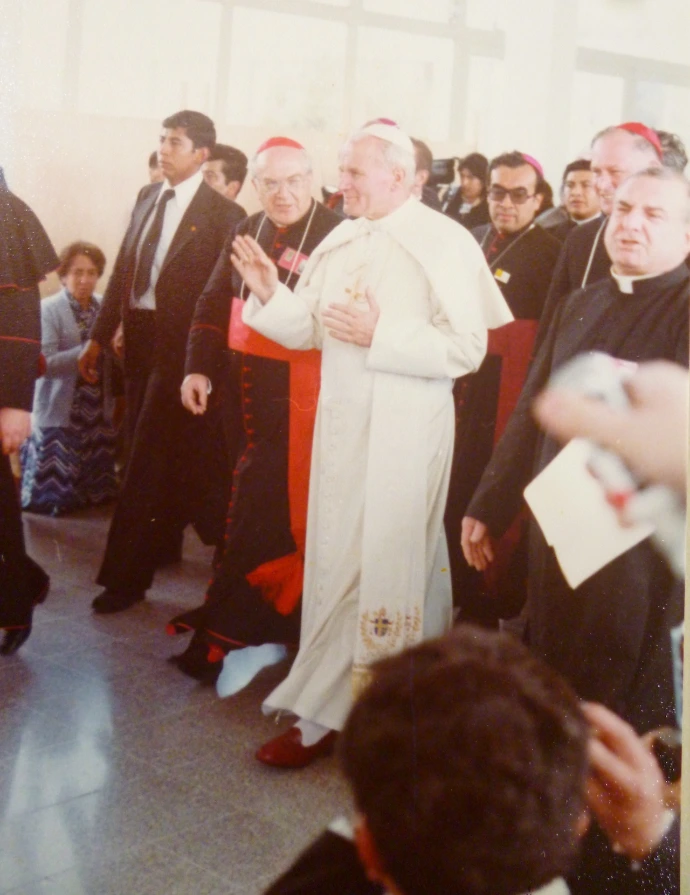
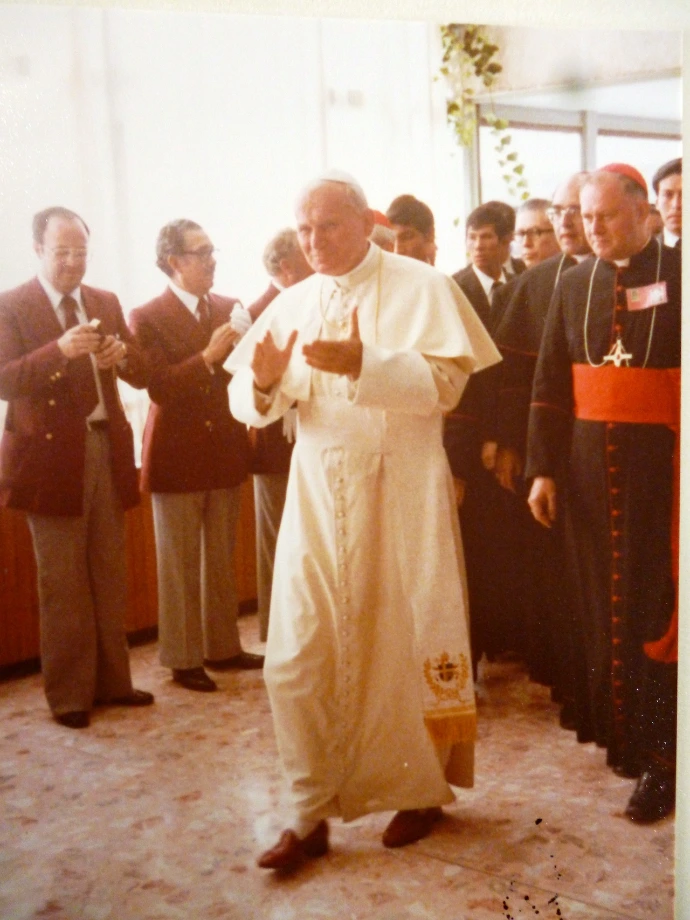
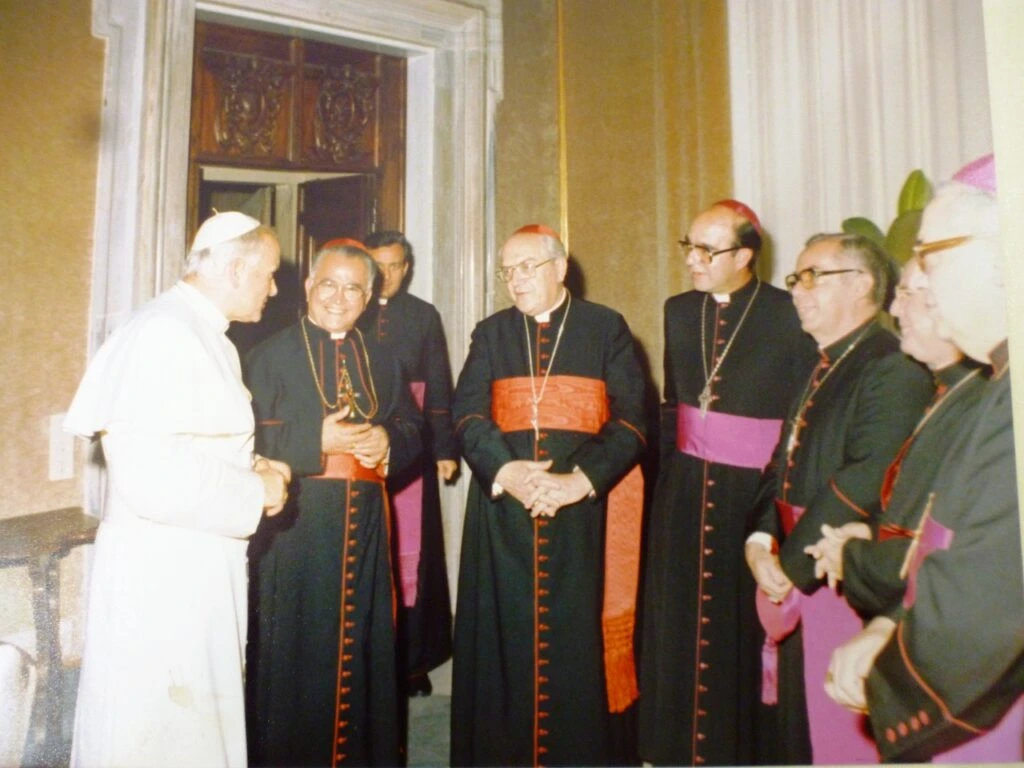
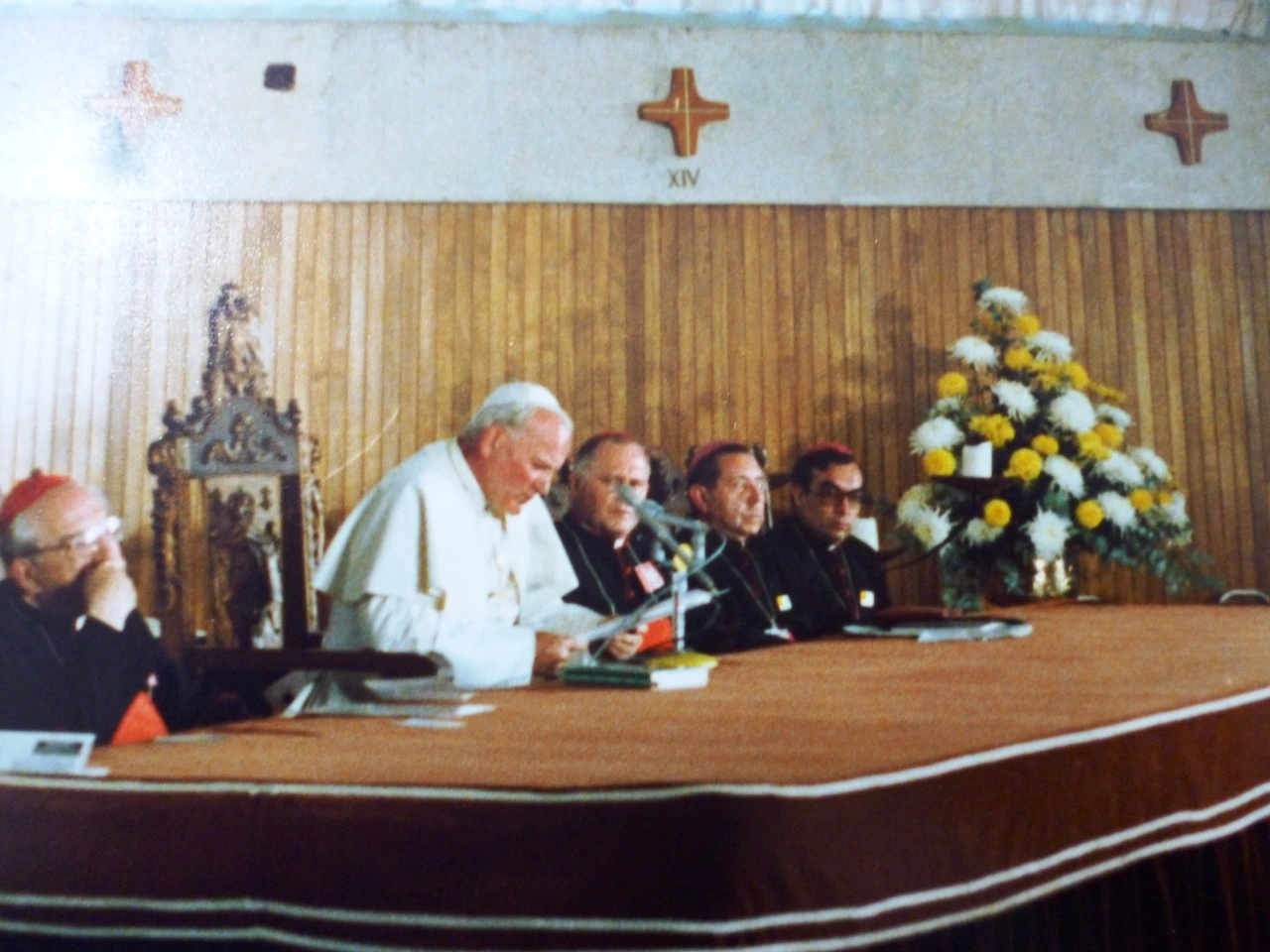
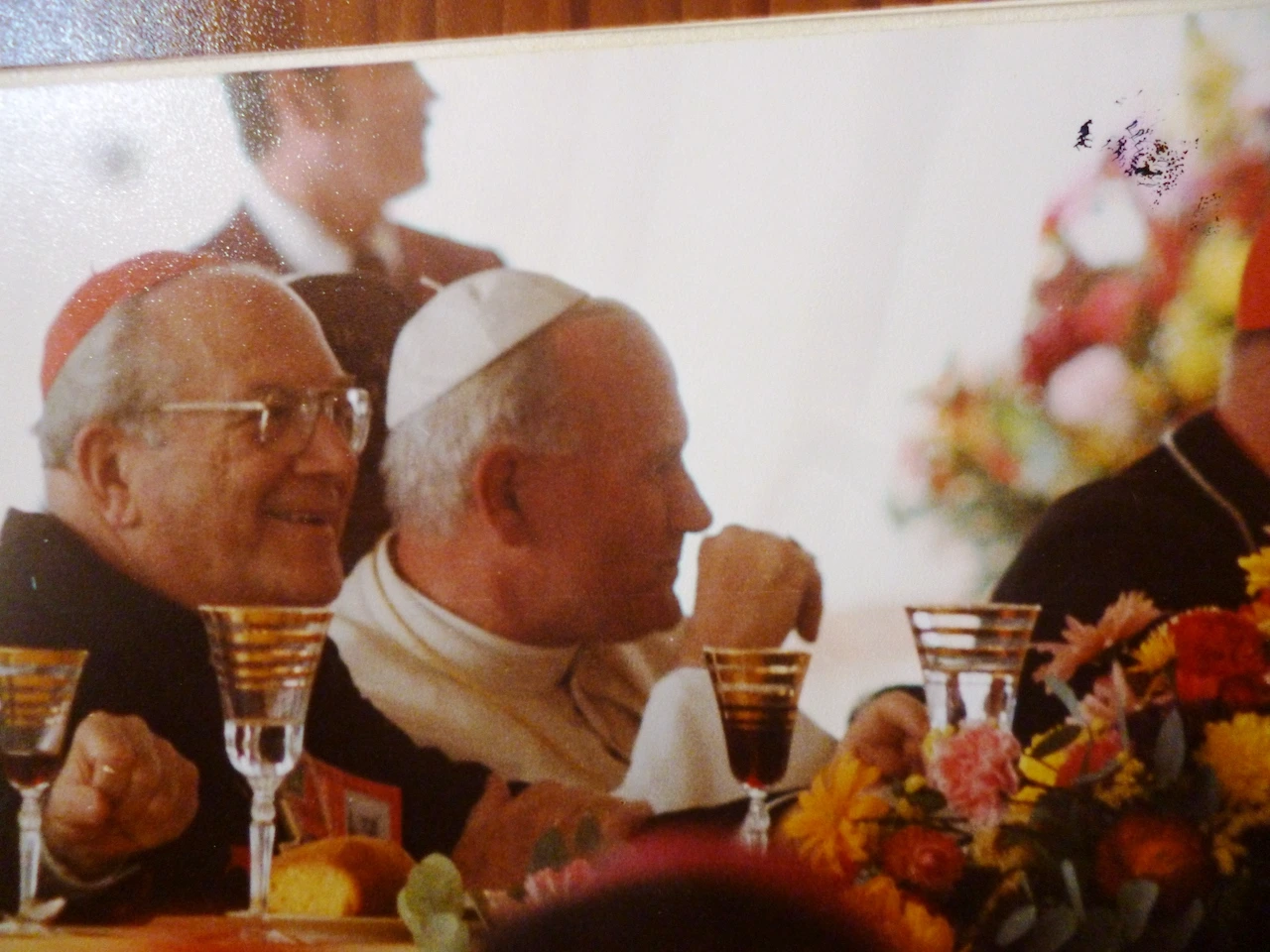
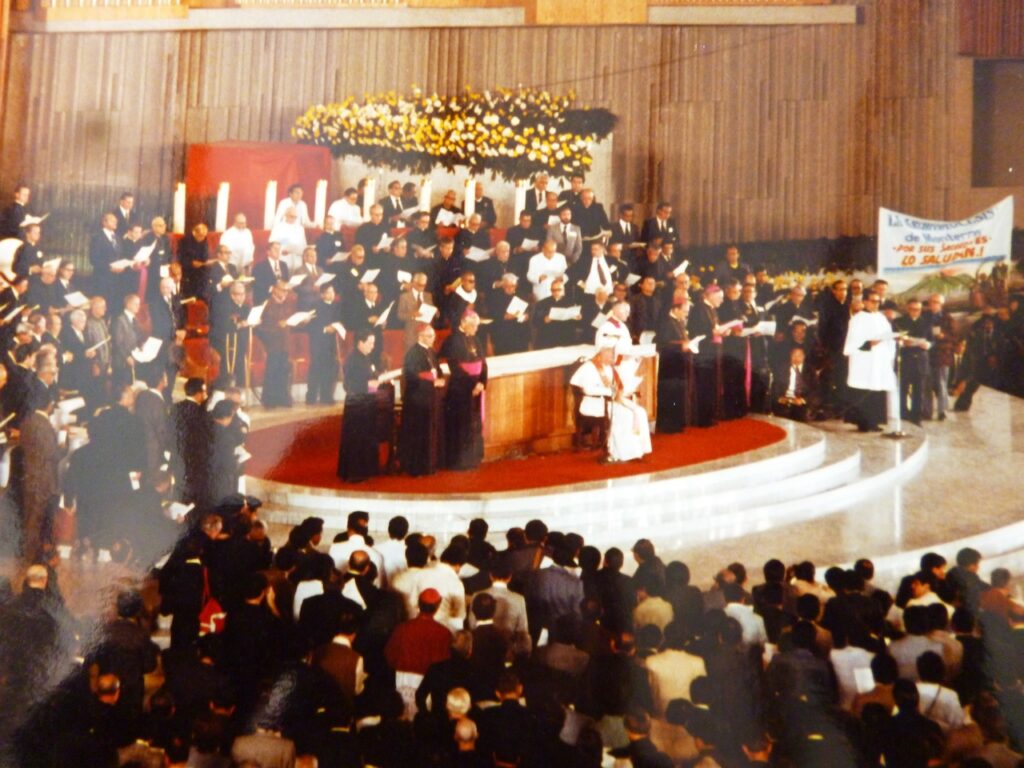
The III General Conference of the Latin American Episcopate met with the desire to develop, deepen, and enhance the renewing sense of the Second Vatican Council. Thus, it projected towards a new reality on the Continent in the 10 years that had passed since the Second Conference. Pope Saint John Paul II was present at the inauguration offering the first fruits of his pontificate. There were 356 participants and its theme was: “The present and future of Evangelization in Latin America.”
The Bishops, with eyes of faith and hearts of pastors, carried out a historical, sociocultural, and ecclesial vision of the trends of their time and, in light of the Encyclical Evangelii Nuntiandi, asked themselves: what is the design of salvation that God has prepared for Latin America?, what is the path of liberation that He has in store for us? The answer they find and proclaim is that God calls us in Latin America to a life in Christ Jesus.
The first thing to highlight in Puebla is the clarity achieved regarding the contents of evangelization. This provided fundamental elements for the theological understanding of the triple theme in the situation of Latin America: the truth about Jesus Christ, the truth about the Church, and the truth about Man. In this III Conference, the evangelizing work acquired a strong Christological dimension and in the construction of the Christian community, a greater unity and participation of all and each of the baptized was sought., each one from their own ministeriality. The anthropological contributions of Puebla provoked a reflection centered on man and the search for his dignity.
Puebla also points out the importance of the evangelization of culture and pastoral work with the builders of the civilization of love. Therefore, it calls for action with the builders of pluralistic society and for action for the person in national and international society. Under the dynamism of the spirit, it opts for a Church as a sacrament of communion and participation, a serving and missionary Church, which must assume pastoral planning as a practical way to realize its pastoral options. All of this will make possible a free and responsible participation, in fraternal and dialogical communion for the construction of a new society that is truly human and filled with evangelical values.
The Church is the central core of Puebla. It reflected a greater historical self-awareness of our identity and ecclesial peculiarity, and that the same Conference and its Document are a fruit, an application, a development, and a synthesis of the unprecedented conciliar renewal in our Latin American and Caribbean Church.
The Document has 5 parts, 14 chapters, and 1,310 numbers.
- First part: pastoral analysis of reality.
- Second part: response of the Church – The Evangelization.
- Third and fourth parts: the pastoral application for Latin America.
- Fifth part: pastoral options.
IV General Conference of the Latin American Episcopate
“New Evangelization, Human Promotion, Christian Culture: ‘Jesus Christ, yesterday, today, and forever’”
Santo Domingo – Dominican Republic
October 12 to 18, 1992
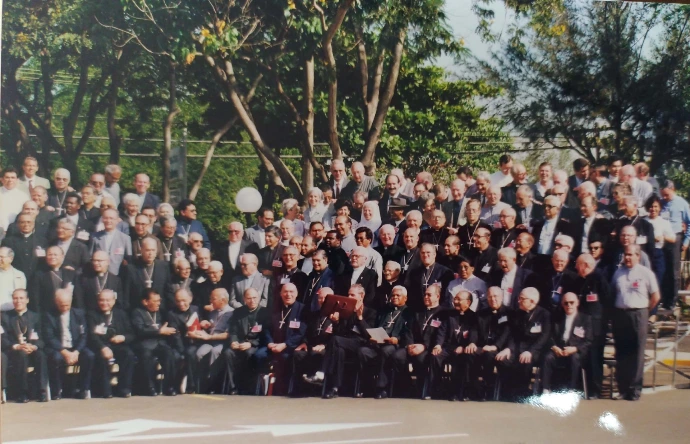
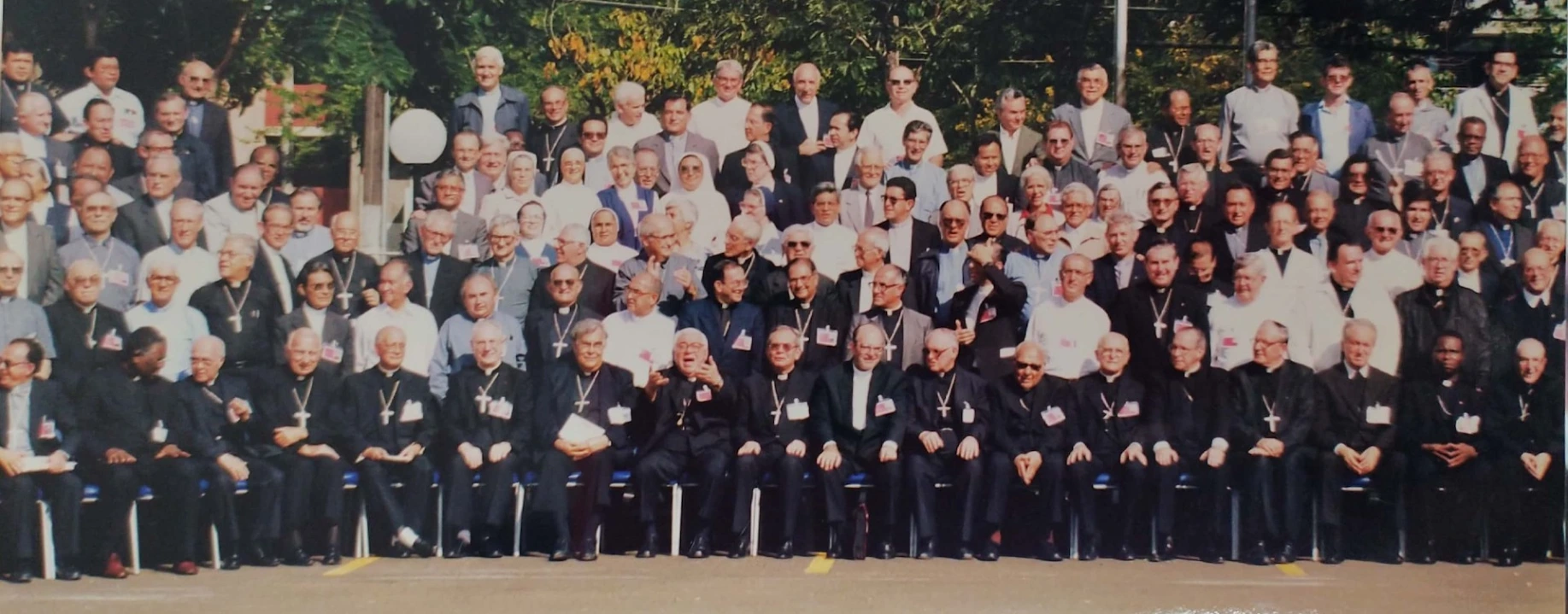
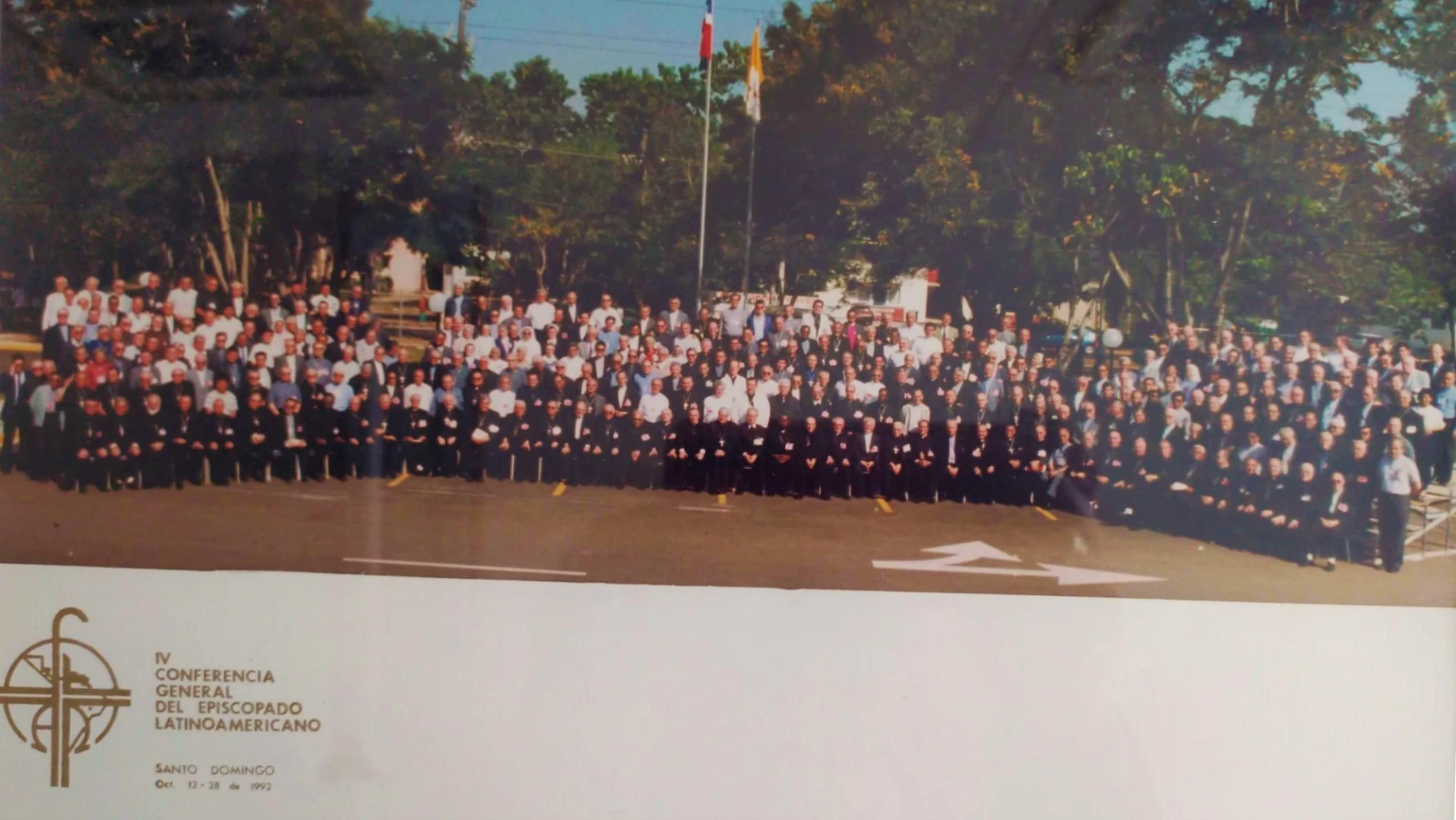
After Puebla, reflection on the evangelization of culture intensified. In the context of the celebration of the V Centenary of the Evangelization of America, the Fourth General Conference of the Latin American Episcopate, where the New Evangelization proposed by the Holy Father Saint John Paul II was interpreted as the inculturation of the Gospel.
In light of the central affirmation of faith in Jesus Christ—the same "yesterday, today, and forever" (Hebrews 13:8)—the 360 participants of the Fourth Conference evaluated the work of evangelization. On this basis, they proposed key, renewing elements for the New Evangelization, characterized by a greater commitment to the integral advancement of the human person, all imbued with the light of the Gospel. This led the pastors gathered in Santo Domingo to draw upon and update the rich history of the past and, through a concluding document, offer a message of hope.
Santo Domingo took as the axis of its reflection the radical option for Jesus Christ, Gospel of the Father, living Evangelizer in His Church, Life and hope of Latin America and the Caribbean. The New Evangelization is then related to social reality, but without disconnecting it from the cultural.
Therefore, there is talk of the urgency of a New Evangelization that proclaims unequivocally the gospel of justice, love, and mercy. Thus, the promotional dimension of man is introduced in the dynamism of evangelization, for which it is established as a pastoral response that human promotion is a privileged dimension of the New Evangelization and, within it, the option for the poor will be the light that inspires all evangelizing action.
Having received the Second Vatican Council in Medellín and Puebla, facing the needs and urgencies of the new millennium, this IV General Conference of Santo Domingo was held under the impetus of the New Evangelization. The great emphasis of Santo Domingo is placed on the person of Jesus Christ.
The document consists of three parts, three chapters in the second part, two annexes, and 303 items:
- First part: Jesus Christ Gospel of the Father
- Second part: Jesus Christ living evangelizer in His Church
- Third part: Jesus Christ life and hope of Latin America and the Caribbean
V General Conference of the Latin American Episcopate
“Missionary disciples of Jesus Christ, so that our peoples may have life in Him. I am the way, the truth, and the life.”
Aparecida – Brazil
May 13 to 31, 2007
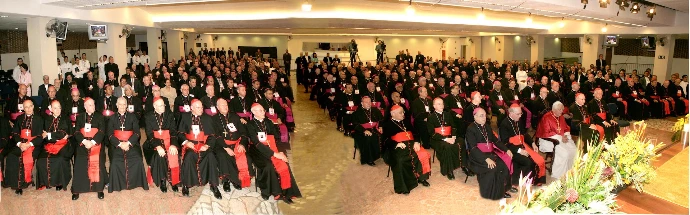
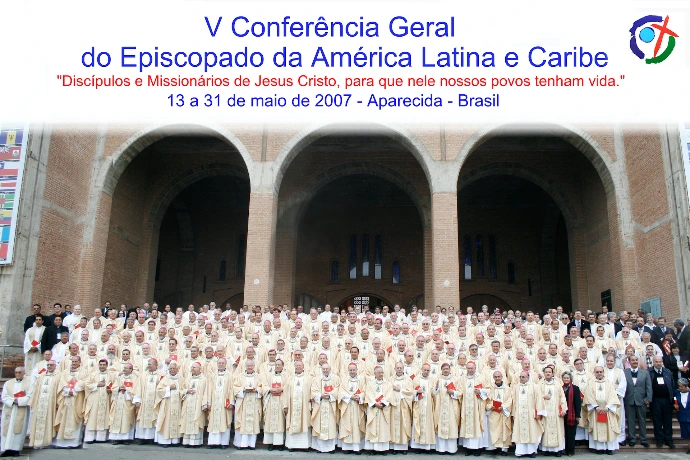
With the presence and doctrinal illumination of the Pope Benedict XVI, the V Conference, was held in Aparecida – Brazil, from May 13 to 31, 2007. Its theme was, “Missionary Disciples of Jesus Christ so that our peoples may have life in Him. I am the way, the truth, and the life.”
Aparecida reaffirms the major ecclesiological and pastoral lines of previous conferences: it gathers the ecclesial spirit of Rio de Janeiro, the spirit of communion of the Second Vatican Council and Medellín, the spirit of participation of Puebla, and the spirit of the New Evangelization of Santo Domingo.
Aparecida makes a strong choice for life, for an authentic missionary awakening, with an integrative view of evangelization and a clear pastoral priority for discipleship. Indeed: the major guiding threads that permeate the conclusions of Aparecida are: vocation, discipleship, identity, communion, formation, mission, and life.
With a participatory dynamic and close to the People of God, the V Conference emphasized the See-Judge-Act method and positions itself before globalization with a critical reading of reality, reaffirming the centrality of the option for the poor, the defense of Creation, the wisdom of indigenous peoples, the priority of the family, and currently the discipular and missionary vocation of every baptized person, among other major issues.
The main emphasis of Aparecida is on the missionary disciple and on pastoral conversion. Since Aparecida, the Church of this continent has entered a permanent state of mission.
The Aparecida Document consists of 554 numbers, organized into ten chapters that, in turn, constitute three major parts that reflect the method See-Judge-Act.
- The first part, titled “The life of our peoples today,” is composed of two chapters: the missionary disciples; and the perspective of the missionary disciples on Reality.
- The second, called “The life of Jesus Christ in the missionary disciples,” includes four chapters: the joy of being missionary disciples to announce the Gospel of Jesus Christ; the vocation of the missionary disciples to holiness; the communion of the missionary disciples in the Church; and the formative itinerary of the missionary disciples.
- Finally, the third part refers to “The life of Jesus Christ for our peoples” and covers four other chapters: the mission of the disciples in service of life; Kingdom of God and promotion of human dignity; family, people, and life; and our peoples and culture.